

Charity giving NWT students ‘virtual field trips’ reaches milestone
Monday May 11, 2026 at 5:55am MT
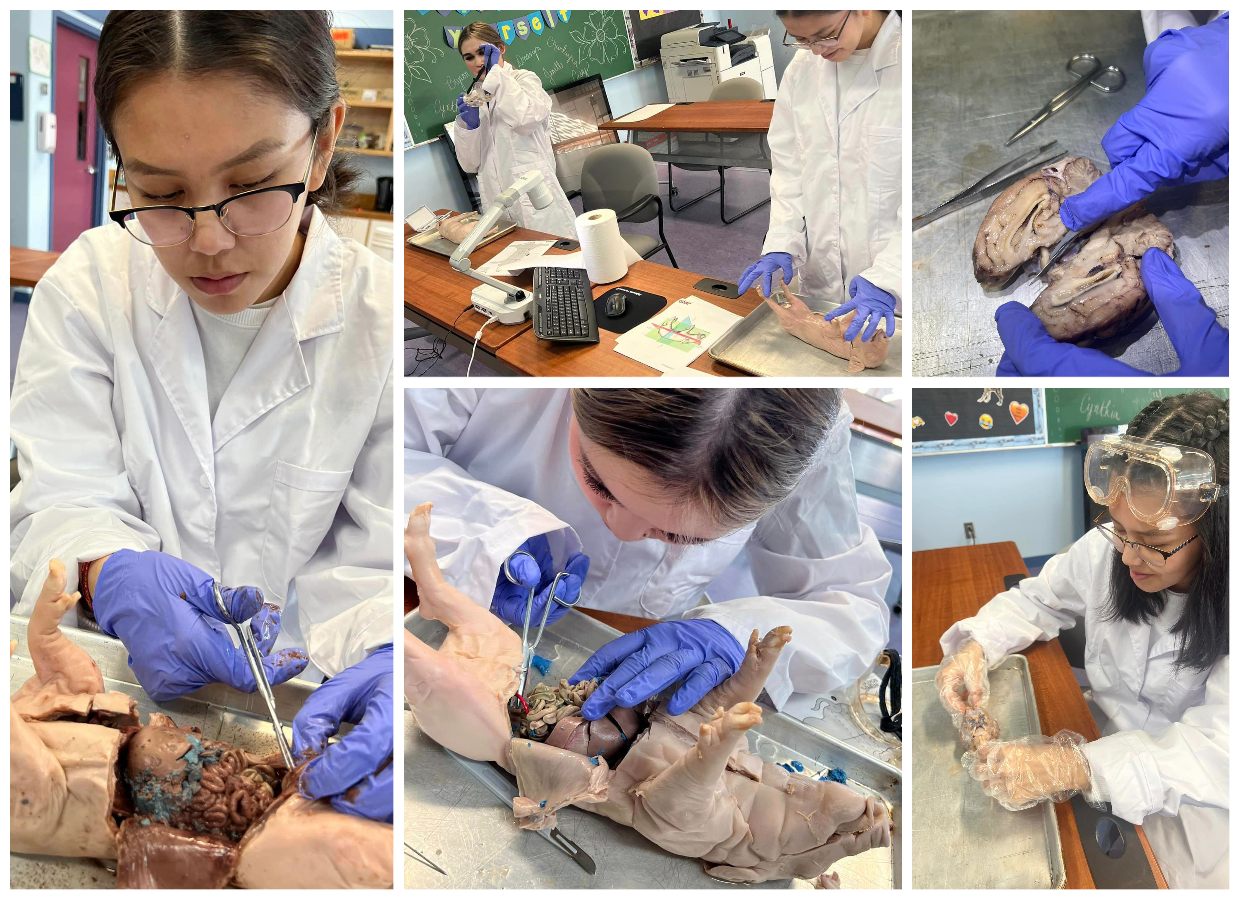
“Remote communities don’t have access to the outside world, big urban cities. But they’re able to do this anywhere, from dissecting a pig’s eye to going to a zoo.”
Karalyn Menicoche is a Connected North convert.
From her Fort Providence home, she sees her own child benefit from the program and contributes to it herself as a content provider, helping to offer interactive experiences to classrooms far from home.
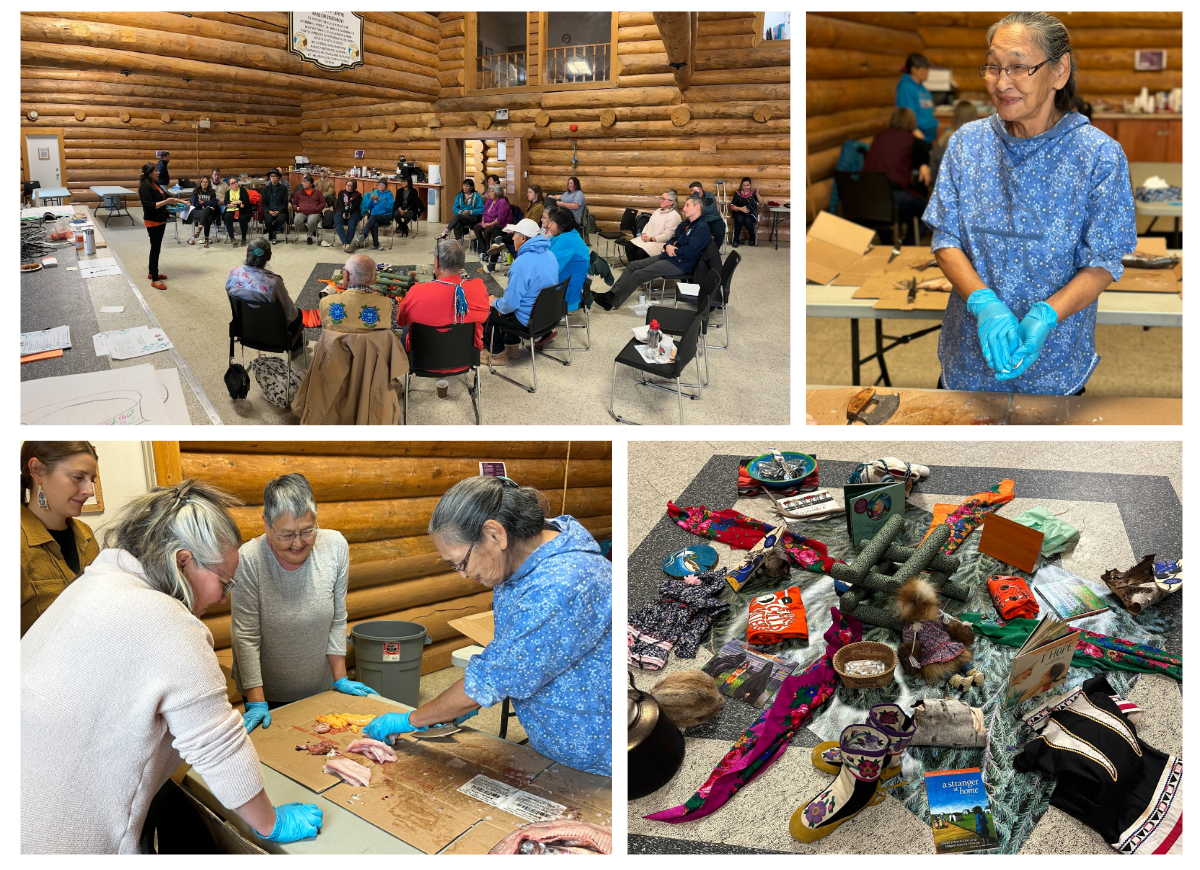
With her father, former Deh Gáh Got’ı̨ę First Nation leader Joachim Bonnetrouge, she offers sessions that ground students in what it means to be Dene. By video link, classes examine Bonnetrouge’s drum or listen to him deliver a prayer song and address students in his language.
“It’s helping me embrace my culture,” said Menicoche. “There are people across Canada that want to hear how we live.”
The next day, the same students might be making slime, understanding how to be an entrepreneur in the world of beading, or learning about mental health from a First Nations volleyball player.
All of these are sessions offered by Connected North, which began as a response to a call from Mary Simon – then president of Inuit Tapiriit Kanatami, now the governor general – for better education supports in northern Canada.
“We help bring people into the classroom that have really interesting areas of expertise, knowledge and stories to spark interest in learning for students, and we do that through video conferencing, so they’re not physically entering the classroom,” said Jennifer Corriero, Connected North’s executive director.
“It’s opening up new perspectives for students to see people in different places doing really interesting things.”
Corriero said Connected North is approaching a milestone: 3,000 sessions delivered to Northwest Territories schools. Sahtu schools joined the program this year and more than 200 NWT teachers booked sessions.
“We’re co-creating relevant educational resources with communities. It’s realizing this concept of education where students are able to see the world from different perspectives, even if they don’t have the funds to travel the world,” said Corriero.
“Often in small, remote communities, one teacher is expected to cover a whole lot of ground, supporting students across a lot of grade levels and subject areas. They may not have all of that subject matter knowledge.
“We help to meet curriculum expectations through guests we bring into the classroom that are vetted through our onboarding and selection process. It doesn’t replace the role of the teacher. It enriches the teacher’s ability to support the students.”
Author Richard Van Camp leads a Connected North session during a teacher PD day at Fort Simpson's Łı́ı́dlı̨ı̨ Kų́ę́ Regional High School. Jayson Moore/Connected North
Author Richard Van Camp leads a Connected North session during a teacher PD day at Fort Simpson’s Łı́ı́dlı̨ı̨ Kų́ę́ Regional High School. Jayson Moore/Connected North
Menicoche has been involved with Connected North for a decade, almost since the program’s beginnings in the NWT.
She began by offering sessions on how to prepare for post-secondary as a northern high school student – what to expect when leaving a small community for a southern city and how to be ready mentally, emotionally and financially.
With her father, she has helped to create a storybook through Connected North that can be distributed to schools. She has seen all sides of the program as a parent, facilitator and participant.
“My kid is now in Grade 4 and his teacher always signs up for Connected North sessions. He comes home with these little things they make. The last one was moose hide fringes that hang on purses, so they’re learning how to cut with moose hide. What’s really amazing about the program is they mail in the materials,” Menicoche said.
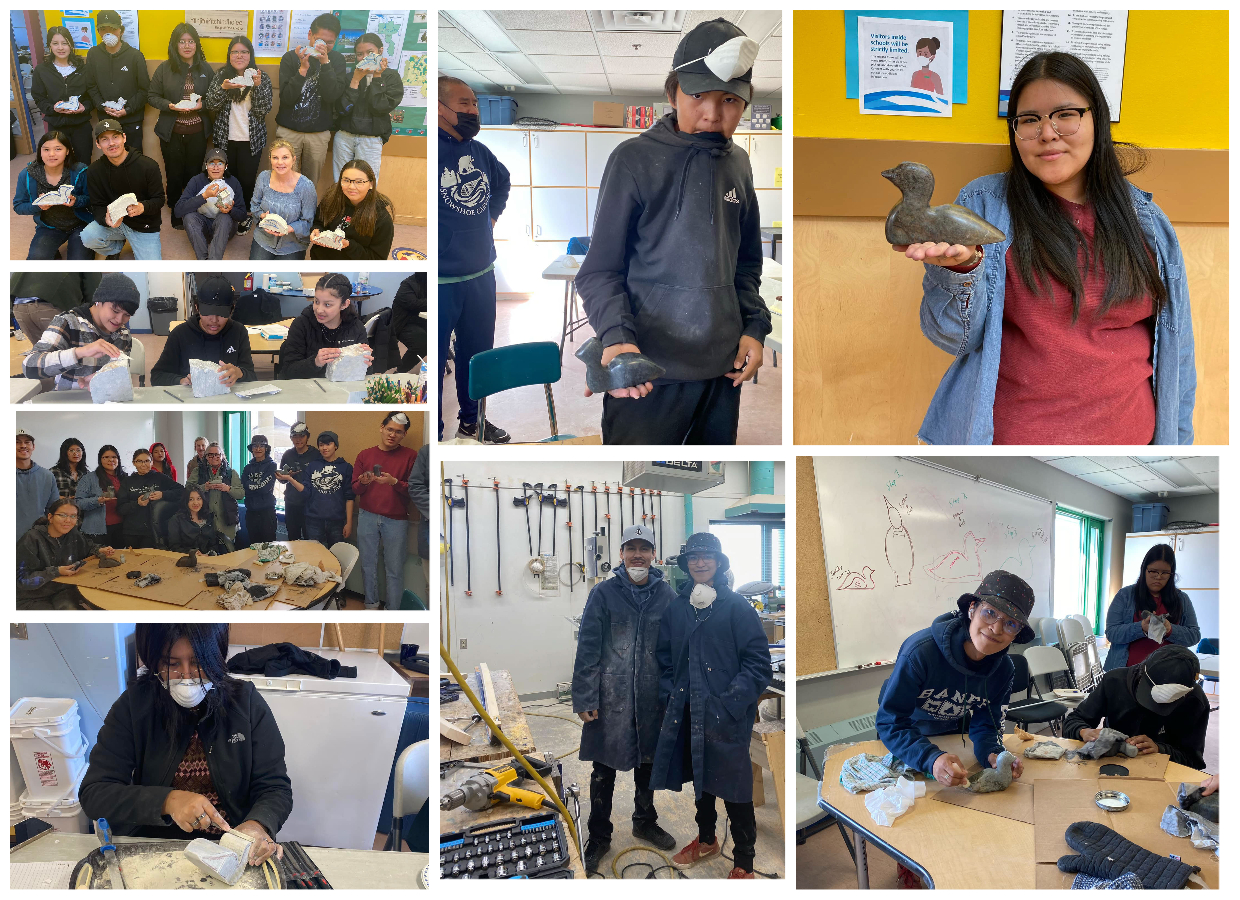
“Another we did was soapstone carving. They sent little soapstones. We did little buffaloes because Fort Providence has a lot of buffaloes – just these sweet little things they were learning how to do.”
To Menicoche, this is how learning should be evolving.
“Nowadays, you can pick up your phone and Google something to help you fix something. It’s the same idea,” she said of Connected North.
“Everything seems to be lacking. So when we have something like Connected North at the forefront in our schools and available on request, it offers creative ways of learning.”
Corriero said Connected North works with the likes of galleries, science centres, artists, entrepreneurs and even NHL alumni to create sessions featuring all walks of life that can be beamed into northern classrooms.
Of the 500 people who help create those sessions, more than half are First Nations, Métis or Inuit, she said. In surveys of classes, 76 percent of students say they have learned something new from guest speakers and 63 percent say they like coming to school more when they know there will be a Connected North session. Ninety-eight percent of teachers said the sessions helped to engage their students.
Corriero spoke just after attending Inuvik’s Muskrat Jamboree, where she said students had been reflecting after a session with the Tłı̨chǫ author Richard Van Camp. One student had been told by Van Camp they had a knack for writing.
“So now they feel very confident in themselves as a budding writer,” said Corriero.
“What we’re seeing is this virtuous cycle of confidence building where, for example, Dene authors are inspiring Dene students or Inuvialuit students or Gwich’in students.
“The North is leapfrogging the south when we look at the model of education that is evolving with Connected North as a partner in the classroom.”
An exhibit of Connected North student work at Inuvik's Muskrak Jamboree. Jennifer Corriero/Connected North
An exhibit of Connected North student work at Inuvik’s Muskrat Jamboree. Jennifer Corriero/Connected North
Funding for northern education is in an uncertain place. Jordan’s Principle funding cuts at the federal level appear set to mean hundreds of layoffs in NWT classrooms unless circumstances change in the coming months.
Connected North is a charity, Corriero noted, and will fundraise to try to ensure continuity of programming as education budgets shift. Even so, she said raising the money to do the work can be a challenge.
She bills her organization as “the only charity in Canada that actively supports every single school in Canada’s Arctic Circle.”
“Public education is still quite limited in terms of funding provided to support enrichment opportunities for students and teachers,” Corriero said.
“We are a catalyst for 10x investment in public education. That’s a future that I see, that there’s no scarcity.”
Menicoche said she had heard locally of positions set to be lost in Fort Providence through broader cuts affecting the NWT’s education system.
Connected North can help “save on the logistics” of offering more complex programming in that kind of broader financial environment, she said.
“I think the future is even bigger,” said Corriero, pointing to the example of an Inuvialuit nurse who uses her spare time to offer Connected North sessions designed to inspire northern students into healthcare.
“Connected North can help be a bridge if we can continue to build that network together and ensure consistency of access.
“There are significant funding cuts being faced and so it’s really important that we are resourceful and work together to ensure continued access – and not just at the bare minimum, but to actually expand access – to continue to meet the needs of communities.”
Inuvik students learn traditional skills at school-operated bush camp
'To be able to show our young students how to do this and how the process works is actually really important'
Dez Loreen · CBC News · Posted: Dec 13, 2025 3:00 AM PST | Last Updated: December 13, 2025

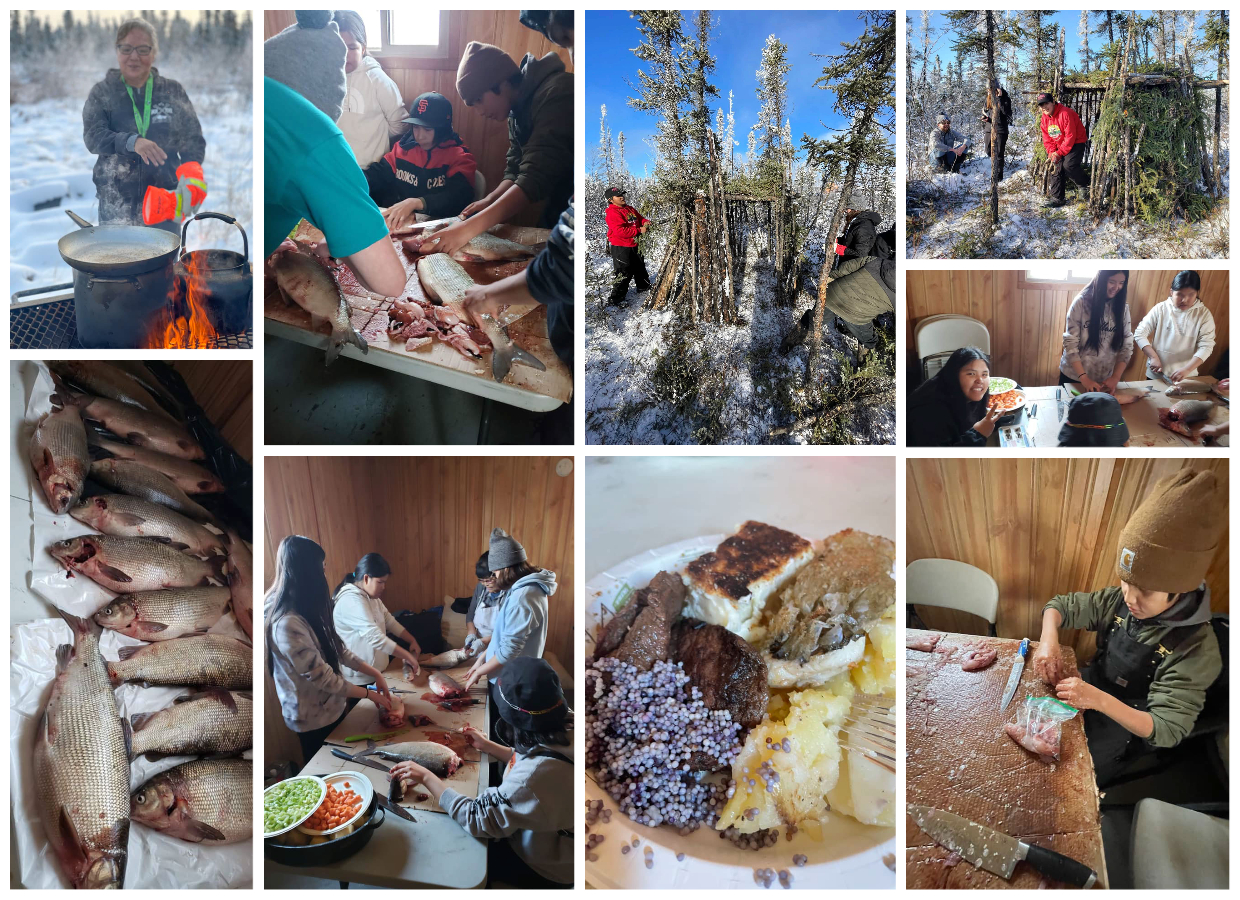
Noel Cockney teaches Inuvik students to cut and fillet fish. The East Three Elementary School operates a small bush camp where students can learn on-the-land skills. (Dez Loreen/CBC)
Students in Inuvik, N.W.T., are learning to cut and fillet fish at the East Three Elementary School on-the-land camp running through December. Noel Cockney, a cultural support worker at the school, said he wants to pass on as much of his knowledge as he can. “Not a ton of people do this much anymore, so to be able to show our young students how to do this and how the process works is actually really important, and something I love to teach,” he said.

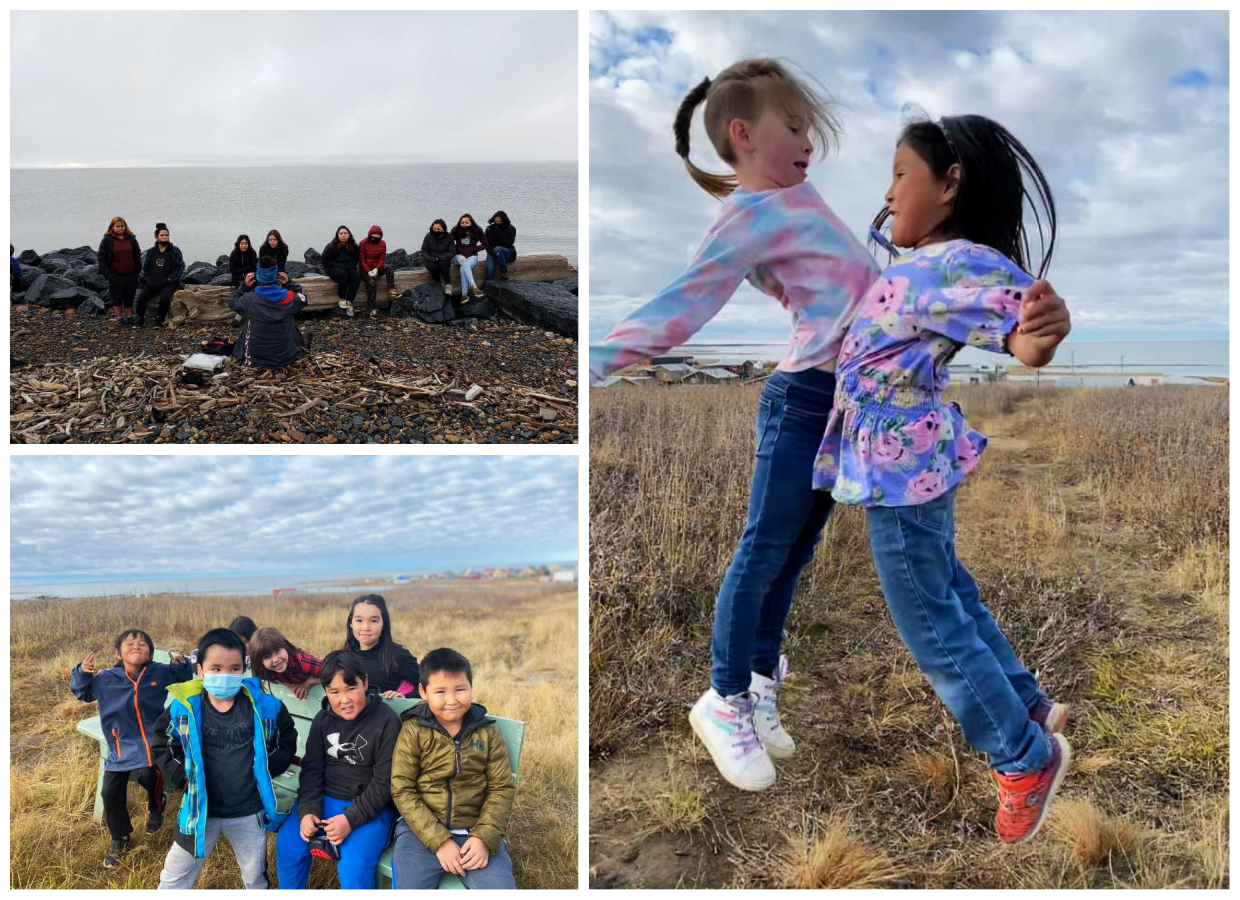
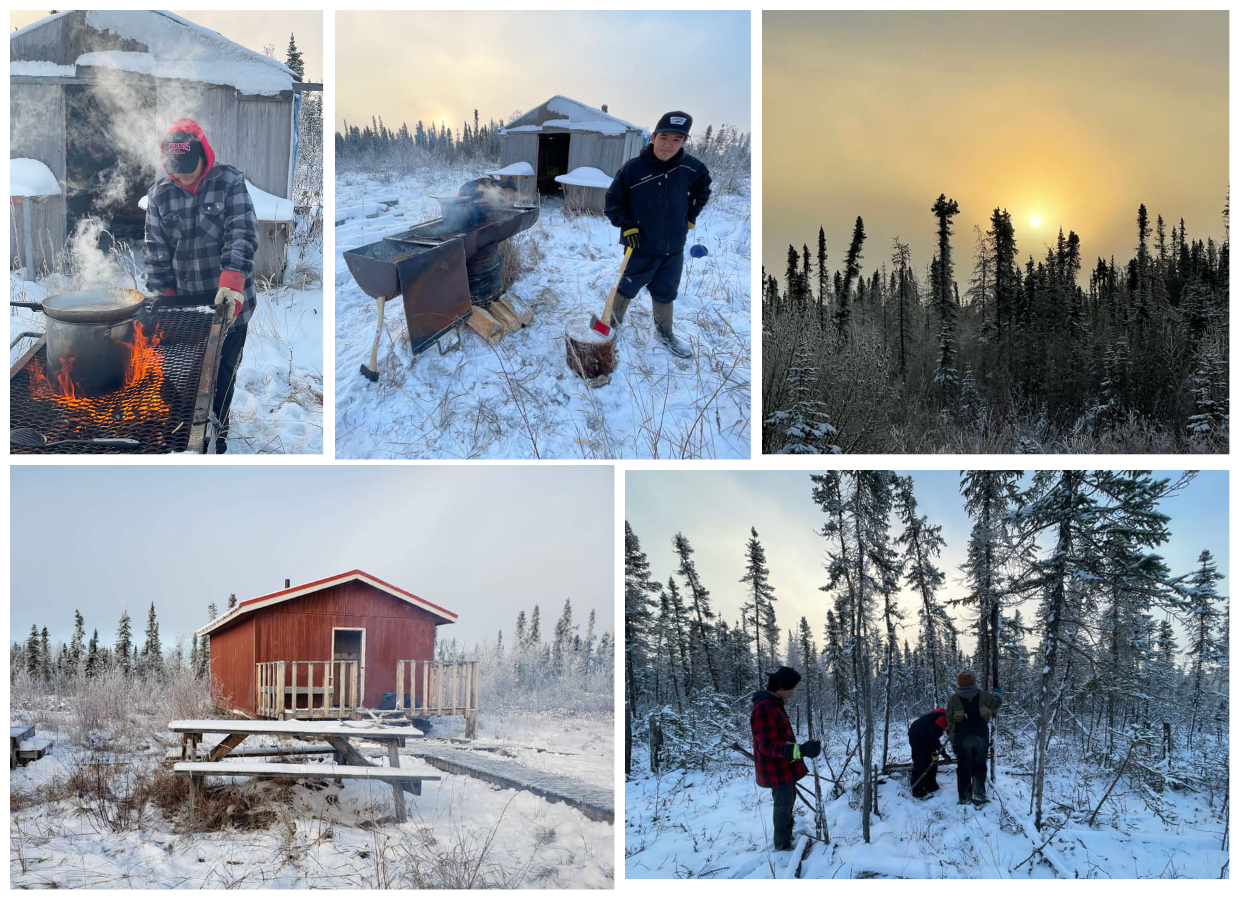
The school operates a small bush camp. They send students to the fish camp on the Mackenzie River by bus to check nets and clean fish. “We’re learning how to set the net underneath the ice,” Cockney said. “We wanted them to get hands-on with gutting them, and we have other groups doing activities so we can show as many students close up as possible,” said Cockney. Local knowledge-holders and elders also join the classes to help teach youth about living off the land.

Ellyra Lennie, a Grade 5 student at the school, said she’s keen to learn to cut fish. “The most interesting thing is seeing what's inside the stomachs of the fish,” she said. She said she was grateful for the instruction and hopes other students take advantage of the classes. “You should totally come to this place, everyone is so kind and helpful,” she said. Cockney also taught the youth to set snares for rabbits.
Tuktoyaktuk's Mangilaluk school gets renovation overhaul
Students in Tuktoyaktuk, N.W.T., returned to a newly renovated school Tuesday. It's part of an ongoing renovation project to improve the aging school. The CBC's Dez Loreen has more.
Video is available here: https://www.cbc.ca/player/play/video/9.6742334
School gym ready to use again after renovations in Tuktoyaktuk, N.W.T.
More upgrades planned for school office and some classrooms

'I think everybody is excited' about the renovation work, said Ephraim Warren, principal at Mangilaluk school in Tuktoyaktuk, N.W.T. (Dez Loreen/CBC)
Dez Loreen · CBC News · Posted: Apr 29, 2025 4:20 PM PDT | Last Updated: April 29
A man stands in a school office.
'I think everybody is excited' about the renovation work, said Ephraim Warren, principal at Mangilaluk school in Tuktoyaktuk, N.W.T. (Dez Loreen/CBC)
Students in Tuktoyaktuk, N.W.T., returned to a newly-renovated school on Tuesday morning.
They were on an extended spring break to help staff move into their new spaces. It's all part of an ongoing project to improve the 35-year-old Mangilaluk school building.
The renovations include a new library, cultural room, gymnasium, kitchen and foyer space.
It's only half of the work that will be done. The office and other classrooms are next to be upgraded.
The newly-built rooms are being used as temporary classrooms until the rest of the renovations are done. Principal Ephraim Warren said that's scheduled to happen over the next year and a half.

Work underway at Mangilaluk school in January 2023. (Jenna Dulewich/CBC)
Building under construction in blue light.
Work underway at Mangilaluk school in January 2023. (Jenna Dulewich/CBC)
"I think everybody is excited. The high school is situated in the CTS building, so they have their own little hub. They're still part of our team but they are quite content where they are until we have our school that is finished," said Warren.
Community events like dances and feasts can now be held in the school gym.
Students were able to use the gym by leaving the building and entering a different way, because the connecting hallway to the new foyer was not complete. Now access is available through the rest of the building and the public can use the space by booking it through the school office.
The school gym is the only gym in Tuktoyaktuk and one of few public spaces for recreation in the community.

Charlotte Irish is a support assistant at the school who is excited to see the reactions of students.
"We've been waiting a long time for that, for the community to come and join assemblies and everything in the gym," Irish said.
A woman sits in a school classroom.
Charlotte Irish, a support assistant at the school, said people have been waiting a long time for the gym renovations to be complete. (Dez Loreen/CBC)
"Yup, my son is excited to see his new class and we don't have to put our jackets on to go to the gym, so it's all exciting."
Warren thanked the community for their understanding and support through the renovation process. He said they'd be having "as many functions in the gym as possible."
"Could be evening sports, could be community events — so we think the community is looking forward to it. The hamlet has always been very supportive and we're just all raring to go for this. It's been a long time and here we are."
ABOUT THE AUTHOR
Dez Loreen
Dez Loreen is a reporter with CBC North in Inuvik.

Beaufort Delta artists, educators, and students say they are benefiting from Connected North programming in the region.
Connected North, a program under the umbrella of the charity TakingITGlobal, virtually connects subject-matter experts and classrooms across northern and isolated Indigenous communities.
Currently, 27 schools across the South Slave, Dehcho and Beaufort Delta take part in the program.
Within the Beaufort Delta Divisional Education Council (BDDEC), the program started in Inuvik and spread to all schools in the region over the past year.
BDDEC superintendent Devin Roberts said Connected North provided his nine schools with 102 sessions in 2024. Connected North content providers deliver sessions on the screen while the classroom teacher is in the room to help out on the ground
Virtual learning becomes hands-on
Nearly half of the sessions offered included a hands-on experience in the classroom, Roberts said.
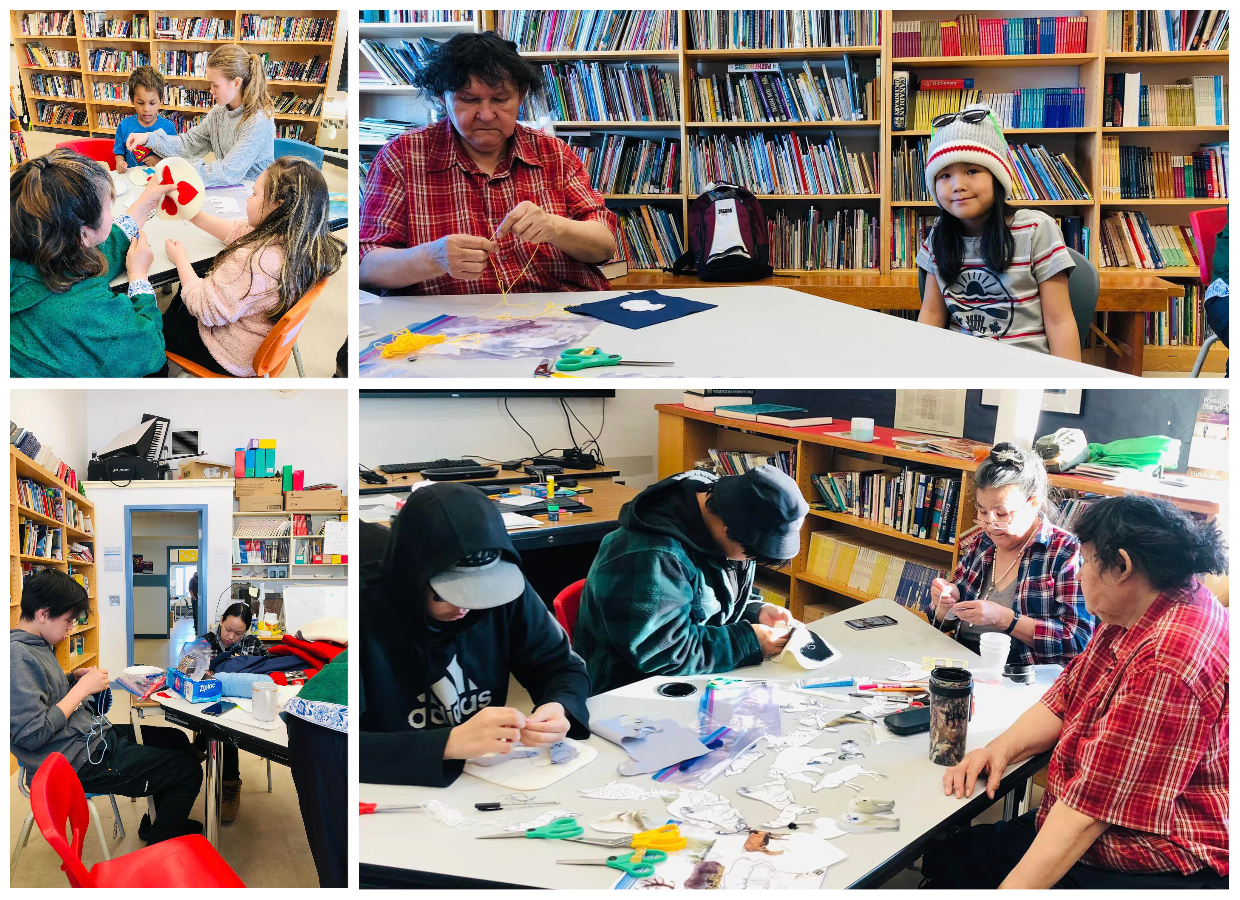
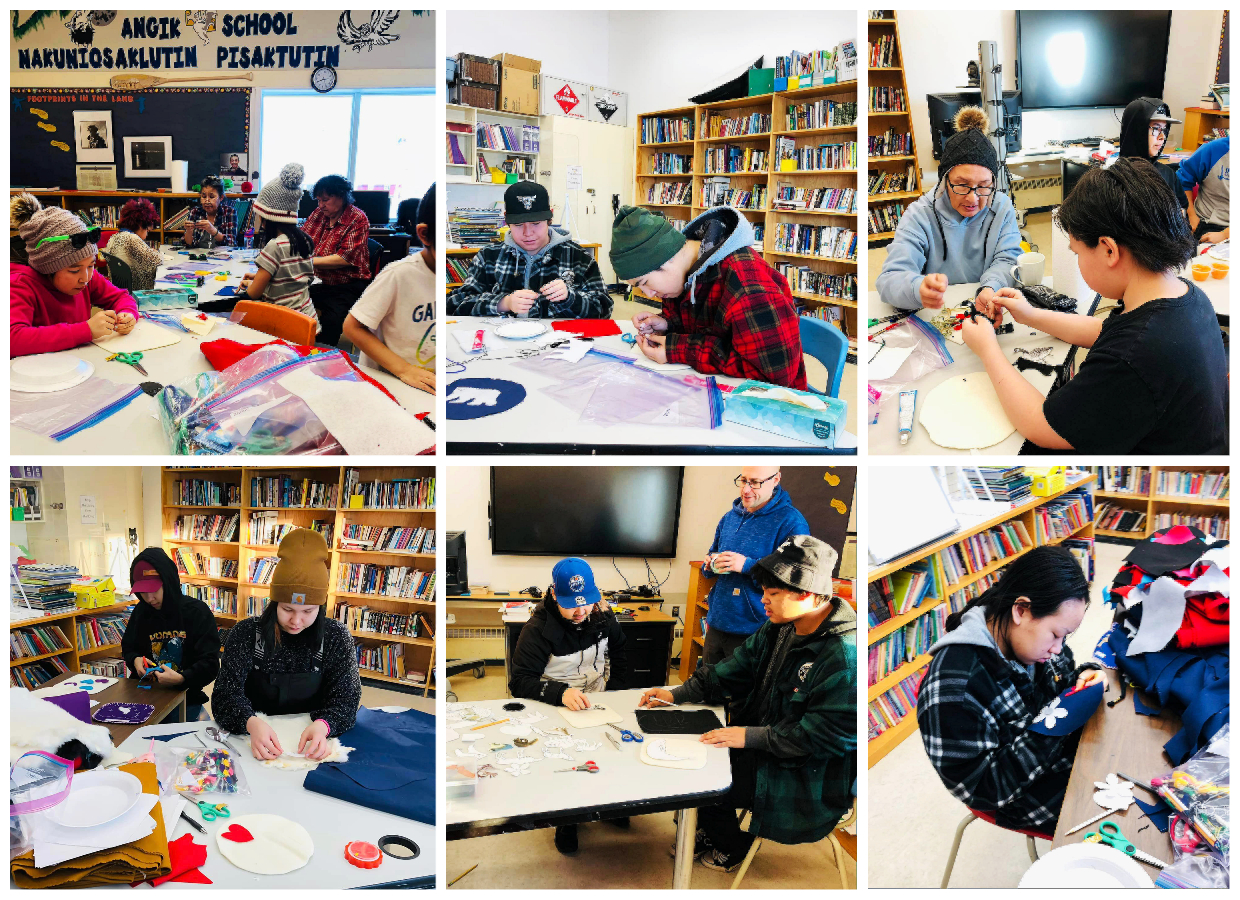
Bambi Amos, an artist and sewing instructor from Inuvik, became a content provider for Connected North after the program contacted her.
Amos puts together sewing kits so students can make their own ukpik stuffies – little owl toys.

The kits are sent to schools that request her programming through a Connected North school lead, who helps to schedule programming and ship classroom materials.
So far, Amos has delivered programming in Inuvik, Ulukhaktok and Gjoa Haven, Nunavut. While there has been interest from other classrooms, she had to decline some opportunities as she didn’t have enough kits ready for all of the students.
“I’m really grateful for this opportunity to be able to connect everyone together, like all of Canada and the especially the rural communities,” she said.
Karen Wright-Fraser, another artist from Inuvik, has taught sessions about beaded earrings, beaded moosehide and caribou antler keychains. As she teaches, she also incorporates storytelling.
“I tell them that our ancestors needed skills like hunting, preparing skins and sewing for the survival of their people,” Wright-Fraser wrote to Cabin Radio.
She tells students that while learning new skills might be frustrating in the beginning, they shouldn’t give up.
“After you get the hang of the techniques, then it’s actually very relaxing and good for your well-being,” she said.
“It is rewarding to see them grasp the concept and be proud of what they are producing.”
Students ‘see themselves in the presenters’
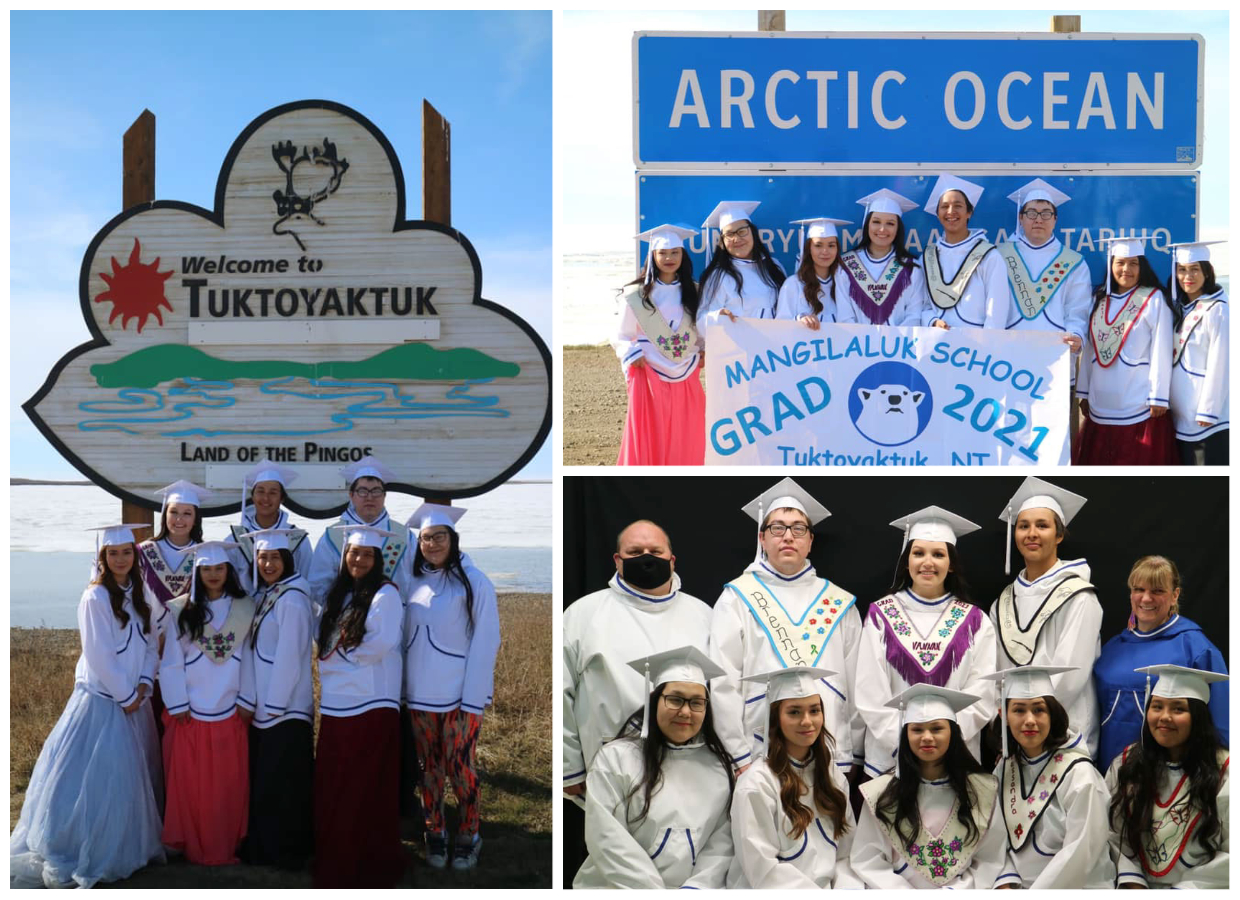
Ephraim Warren, the principal of Mangilaluk School in Tuktoyaktuk, said his teachers sign up for Connected North sessions on a weekly basis, picking topics that relate to their classes and curriculums.
Connected North’s school leads can also suggest sessions if schools give them the curricular outcomes and competencies for their courses.
“I love the fact that they’re culturally relevant,” Warren said, noting instructors from around the Beaufort Delta have led virtual sessions at the school.
Some of the courses are one-off lessons. Others are part of a series.
“I’m thankful that we’re able to connect with people from all over the region and all over the world,” Warren said, noting they have had no issues with internet connectivity. “It brings another aspect to our school and our students and our teachers love it.”
At Angik School in Paulatuk, principal Kyle Sagert said his students have participated in interactive sessions featuring concerts, museums, walks and career features, alongside local content.
For teachers, there have been professional development sessions on things like using Indigenous books in creative writing classes.
“I also teach junior kindergarten and kindergarten, and we did one with the Royal Tyrrell Museum,” he said, referring to an Alberta museum dedicated to palaeontology.
Principal Janine Johnson, who works at Moose Kerr School in Aklavik, said the program has been great because “kids get to see themselves in the presenters.”
“It’s been really exciting to see the growth not just in the participation of schools, but also with Inuvialuit and Gwichʼin content providers within the region,” said Jennifer Corriero, the executive director of TakingITGlobal.
Looking ahead, her goal is for students to share and celebrate their learning experiences with each other online – not just with one content provider.
Indigenizing Education
Lessons from the North and a path forward without excuses
What is indigenizing education? This question is gaining relevance as school districts across Canada strive to meet the calls to action from the Truth and Reconciliation Committee. Predictably, most schools reach for low-hanging fruit and populate a list of to-dos to meet the perceived needs of their First Nations communities. Although well-intentioned, this laundry list of seemingly culturally sensitive and relevant interventions misses the mark and, in doing so, absolves educators of guilt without meeting the diverse needs of Indigenous students.
Indigenizing education is not a checklist of tokenisms. It is not just on-the-land instruction. It is not posters of the Calls to Action framed on the wall, and it is not land acknowledgements before school assemblies and board meetings. At its very core, Indigenizing education is a verb and a noun. Anchoring our intentions and actions in our values creates the authenticity that distinguishes contrived actions from genuine care. Indigenizing education is about relinquishing control and allowing Indigenous ways of knowing, doing and being to permeate everywhere, from the schoolyard and the classroom to the board office and the provincial and territorial Departments of Education. It is a paradigm shift that redefines education’s role in modern post-colonialism.
The educational philosophy that frames our intention in the North recognizes Indigenous peoples’ inherent right to self-government and reimagines the meaning of the words to give Indigenous governments indirect and direct jurisdiction over their educational fate. Seizing this opportunity, Yukon Indigenous governments established a First Nations School Board in 2022, assuming shared responsibility with the territorial government to deliver public education reflecting First Nations worldviews. Similarly, but to a lesser extent, the Northwest Territories (NWT) government granted powers to District Education Authorities (DEAs) and Divisional Education Councils (DECs) to determine the governance of schools in their communities, decentralizing decision-making at the administrative and operational levels. Both territories, in recognition of the importance of self-determination and education’s role in this, relinquished control to empower Indigenous communities to determine their educational path: one cognizant of cultural worldviews and the role education plays in fortifying their identity.
That is the first step in indigenizing education: enshrining the right to relevant, culturally appropriate education in legislation and ceding control of its creation and implementation to First Nations.
Two documents were created in the NWT to support schools: Dene Kede and Inuuqatigiit. These are “curricula …informed by a number of philosophical perspectives or worldviews that shape understanding of Dene and Inuit core concepts as well as the traditions of lifelong learning.” The importance of these documents cannot be understated as they form the core from which all instruction, across grades and disciplines, emerges. Elders’ wisdom and teachings are the backbone of education in the North, encompassing the language, culture and indigenous people’s worldview. Their teachings lead to a capable person, “one who has integrity in relationships that honour the self, others, the land, and the spiritual world.” Through these relationships, a capable person grows and develops a more expansive understanding of the essential physical, mental, emotional and spiritual growth involved in the four parts of human development. Since the inception of Dene Kede and Inuuqatigiit, two additional documents have been crafted, the Our Language Curriculum and the Indigenous Language and Education handbook. These documents continue to support and frame the teaching of Indigenous languages in the North.
That is step two: developing a supracurriculum that guides and gives rise to instruction at all implementation levels. The Dene Kede and Inuuqatigiit are not exclusive to one realm, discipline, or aspect of existence. They derive their genesis from all aspects of life: the individual, the community, the land, and the spiritual world—all essential elements of Indigenous education.
Step three is simple: students need to see themselves reflected in schools. Research suggests that students are more engaged with learning when their teachers and school leaders are of the same ethnic background (Holt, Gershenson, and Nicholas, 2016). Gershenson, Hansen & Lindsay (2021) further argue that teacher diversity is critical to teacher quality and efficacy in the classroom, as learning is affected significantly by cultural sensitivity and relationship building. Lastly, Carter Andrews, He, Marciano, Richmond, & Salazar (2021) suggest that decolonizing the curriculum is critical to learning among minorities, thus advocating for cultural sensitivity in the teaching profession. This begs the question, who would be more culturally sensitive to Indigenous students than an Indigenous teacher?
In 2023, the NWT published a committee report outlining steps to increase Indigenous representation in the NWT. This document was highly critical of the lack of progress in certain government areas and proposed more than superficial or cosmetic changes to hiring practices. It actively advocated for Indigenous representation at the highest operational levels, up to and including Assistant Deputy Minister positions as a minimum. Currently, Indigenous representation in the GNWT is approximately 30% (50% of the population in the NWT is indigenous).
In the NWT, the Government has institutionalized many programs aimed at increasing Indigenous representation in all aspects of government. Each departmental agency is expected to map out its long-term strategic plan to increase Indigenous hires, including clear targets for priority hiring, qualification equivalencies, retraining and managerial coaching programs. In education, an affirmative action program exists to help support and prioritize Indigenous applicants to increase their representation in the classroom. This program gives preference to First Nations, Inuit and Metis people and to those who have resided in the NWT for over half their lifetime. Despite an abundance of teacher education programs specific to Indigenous students, such as ITEP at Queens University and Lakehead University, NITEP at UBC, ATEP at the University of Alberta and NSITEP and SUNTEP through the Universities of Regina and Saskatchewan, schools across the country still are unable to meet this very important benchmark of teacher representation.
In the NWT, the throng of Indigenous teachers is primarily localized to Indigenous language teaching. These educators are a key element in Dene Kede and Inuuqatigiit curriculum instruction. They are identified, targeted and mentored early on, trained to become teachers and fast-tracked to support language instruction, an essential aspect of strengthening indigenous culture. Language is culture and culture is language, the two are intimately intertwined. A.L. Krober (1923) is credited with stating that “culture, then, began when speech was present, and from then on, the enrichment of either means the further development of the other.” As such, indigenous language teachers’ nurturing, support and encouragement are of primordial importance when building and fomenting Indigenous values in education. To further support and guide indigenous language instruction, the Department of Education developed materials and documents to (a) legislate the teaching of Indigenous languages and (b) develop criteria for the evaluation of proficiencies.

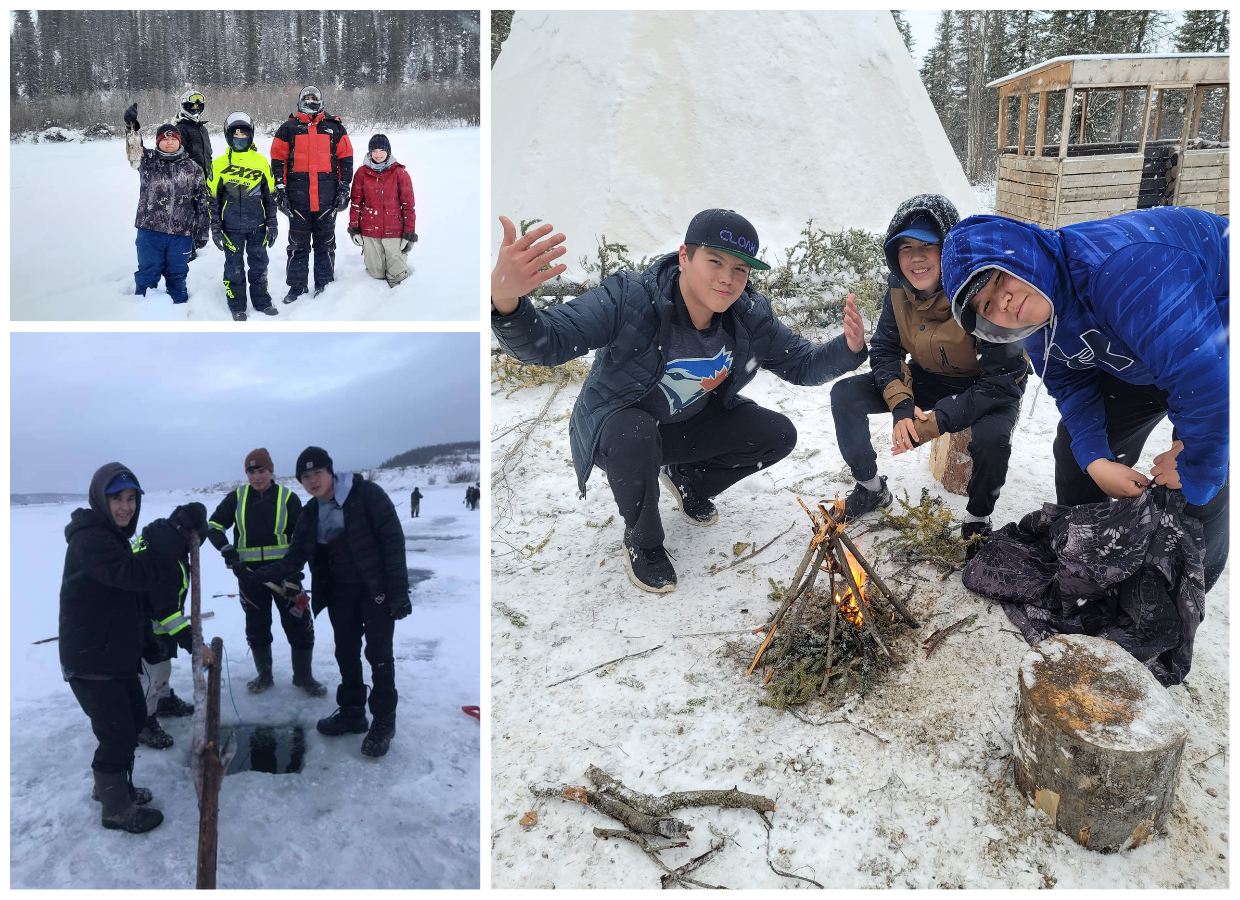
In the same spirit of authentically bringing cultural teachings to the classroom, schools in the NWT invite the community to participate in the education of the next generation. Programs such as Elders in the Classroom, Culture Camp, On the Land Learning, and many others recruit community elders and knowledge keepers to share their wisdom with students in a non-threatening, open, and genuine manner. These are not one-off macro charismatic events but part and parcel of the school and classroom environment. The biggest challenge facing schools in the North is overcoming stigma and the legacy of trauma from residential schools. Elders are being called upon to become part of a system that, until recently, was a tool for subjugation and mistreatment.
This is step four: Inclusion of the community in the development, implementation, and assessment of Indigenous education, including but not exclusively Indigenous languages. Only when a school accurately represents the community in content and instruction will Indigenous students see themselves reflected in a system that is traditionally at odds with their humanistic values.
Indigenizing education is about more that cultural events, wall displays, and perfunctory statements and platitudes. While these actions are easy to implement and measure, they are superficial. Genuine Indigenization of education requires an overhaul of the system, starting with legislation and ending in the classroom. A faithful commitment to the Calls to Action from the Truth and Reconciliation Committee is not measured in superficial gestures of cultural sensitivity but systemic change that enshrines change, protects change, nurtures change, and champions change for a sustainable future that celebrates indigeneity and northern culture.
 |  |  |
 |  |
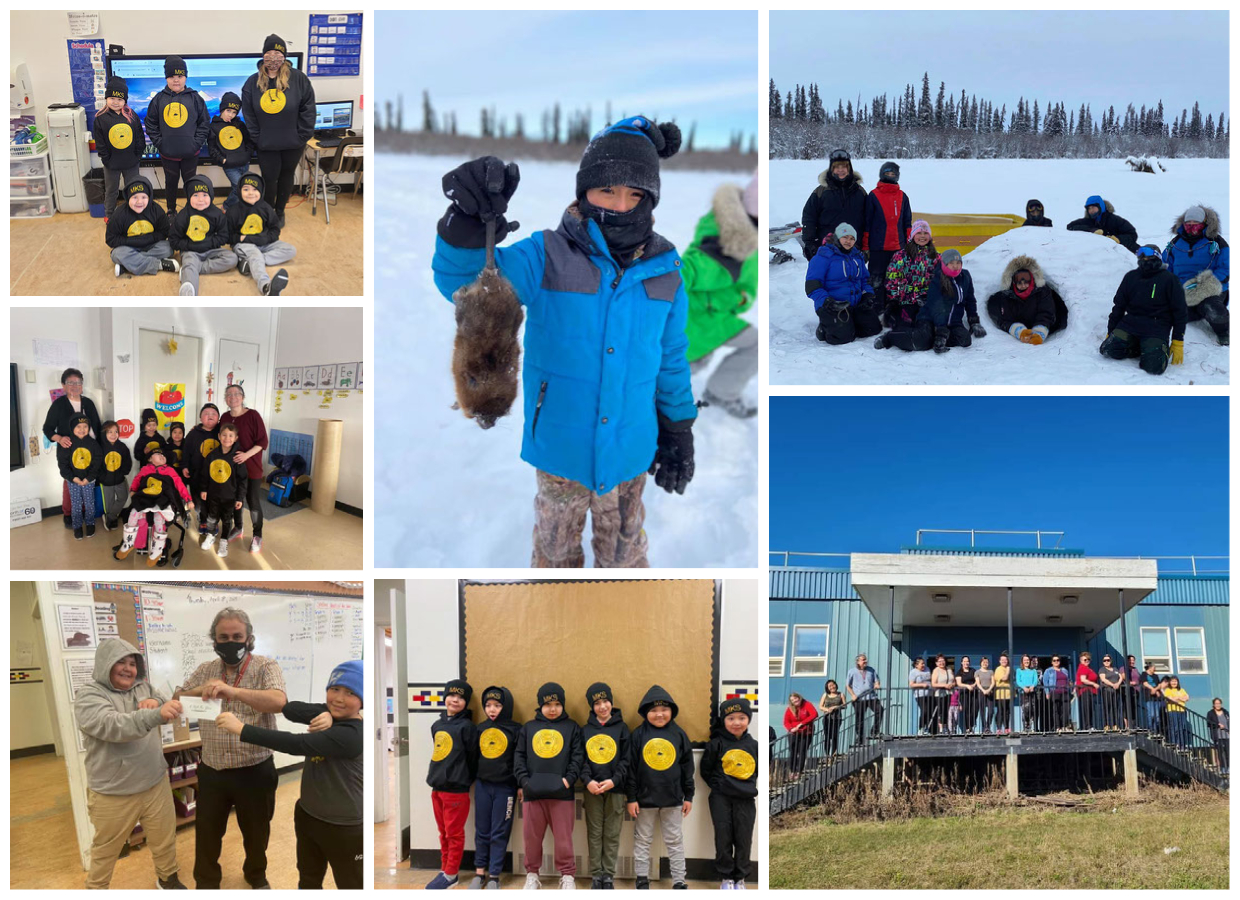
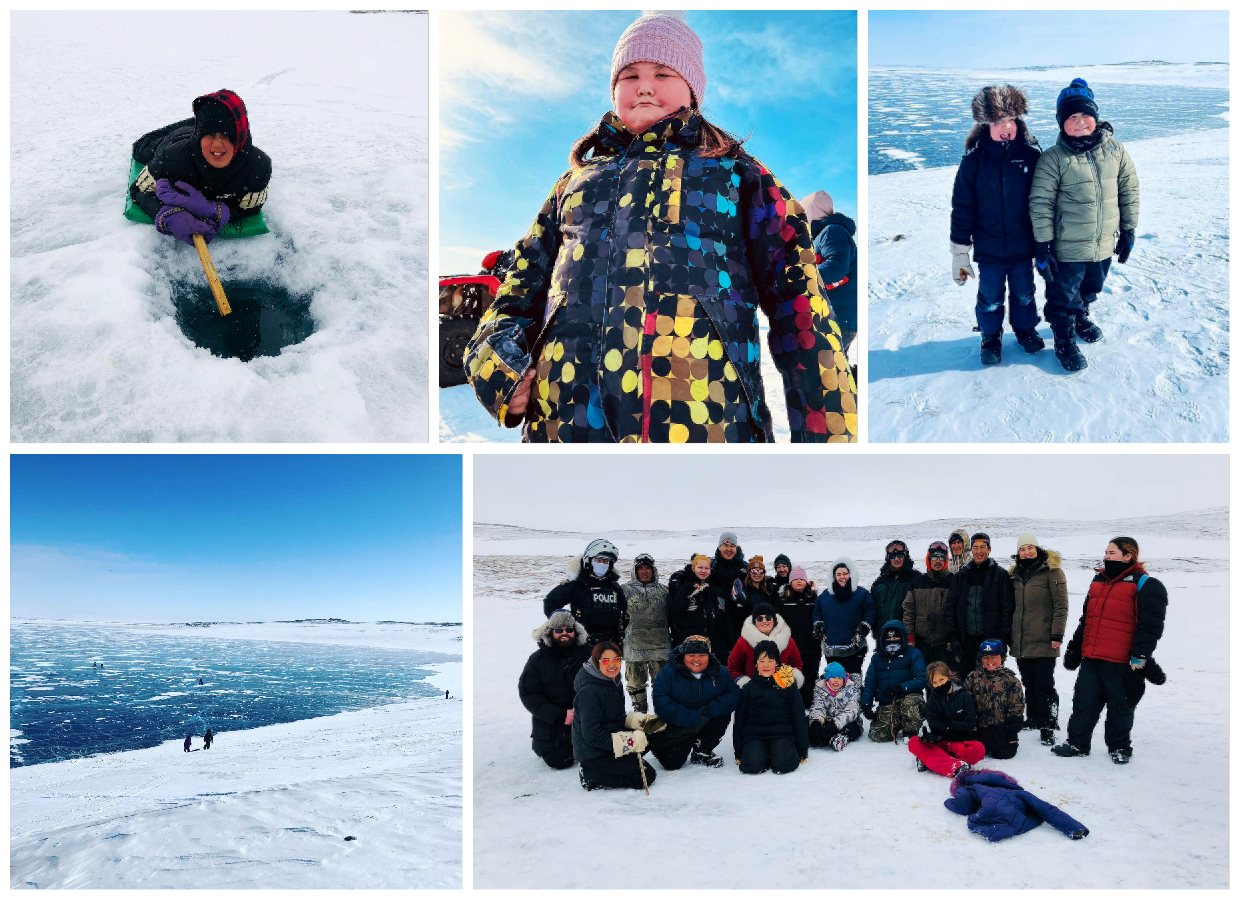
Images supplied by South Slave DEC
References
- Carter Andrews, Dorinda & He, Ye & Marciano, Joanne & Richmond, Gail & Salazar, Maria. (2021). Decentering Whiteness in Teacher Education: Addressing the Questions of Who, With Whom, and How. Journal of Teacher Education. 72. 134-137. 10.1177/0022487120987966.
- Gershenson, Seth; Hansen, Michael; Lindsay, Constance A. (2021) Teacher Diversity and Student Success: Why Racial Representation Matters in the Classroom. Harvard Education Press
- Gershenson, Seth & Holt, Stephen & Papageorge, Nicholas. (2016). Who Believes in Me? The Effect of Student-Teacher Demographic Match on Teacher Expectations. Economics of Education Review. 52. 10.1016/j.econedurev.2016.03.002.
- Kroeber, Alfred Louis. 1923 [1948].Anthropology. New York : Harcourt, Brace and Co.
Additional Reading
- Dene Kede and Inuuqatigiit
- GNWT Education Act
- GNWT HR Manual
- ILE (Indigenous Language and Education) handbook
- Indigenous Development and Training Program
- Indigenous Career and Gateway Program
- Language Proficiencies
- NWT Committee Report on Affirmative ACTION
- NWT Indigenous language policy
- OLC (Our Language Curriculum)
Mackenzie Delta | Arctic
Did you know that the Mackenzie River Delta is the largest in Canada and is home to approximately 25,000 lakes?
In this program, we’ll learn how important the delta is for the locals who rely on it for harvesting, how sonar is being used to map the water ways, and why this is such a special place.
---
Coming Soon | October 24, 2024